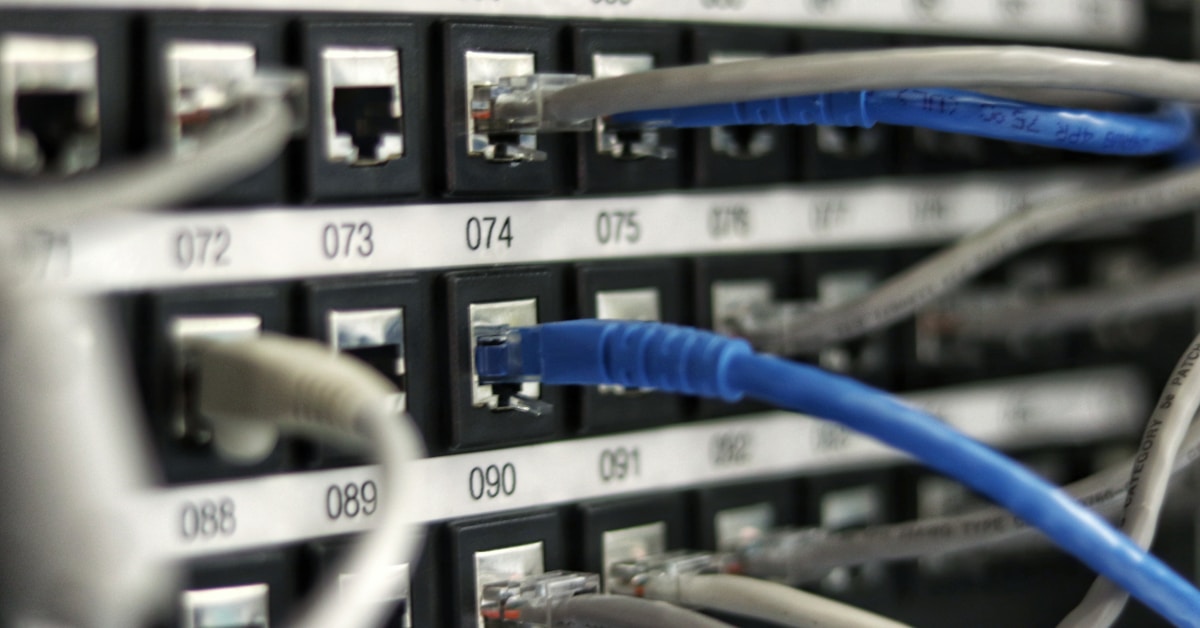
10+ Best IoT Device Management Software to Conquer Complexity & Scale Securely

Struggling to manage thousands of IoT devices securely and efficiently? Discover the best IoT device management software that offers automated monitoring, seamless updates, and scalable control to protect your network.

Managing IoT devices shouldn’t be this stressful.

Keeping thousands of connected devices secure, updated, and running smoothly can feel overwhelming for any IT or operations manager. There’s just too much at stake to rely on manual tracking.

The risk of device failure and security breaches is always looming over your workflow.

If just one weak link is overlooked, you face mounting downtime, frustrated customers, or even compliance nightmares. That’s why finding the right device management platform isn’t just nice to have—it’s absolutely mission critical.

Automated monitoring, secure over-the-air updates, and easy onboarding are must-haves for taming IoT chaos and setting your devices up for secure, reliable growth.

In this article, we review the best IoT device management software so you can cut through the noise and pinpoint solutions built for real scalability, tighter security, and confident control.

You’ll discover exactly which features take the stress out of IoT and help you stay ahead.

Let’s get started.

Quick Summary

Product Starting Price Best For
1. AWS IoT Contact for pricing Large scale enterprise deployments
2. Azure IoT Hub $10/month/unit Microsoft ecosystem users
3. PTC ThingWorx Contact for pricing Industrial manufacturing enterprises
4. Cumulocity IoT Contact for pricing Service providers and MSPs
5. Particle Contact for pricing Hardware startups and developers
#1

AWS IoT

AWS IoT provides a massive-scale infrastructure designed to help you register, organize, and monitor billions of devices through a centralized cloud interface. It specifically excels as an IoT device management software by offering secure bi-directional communication and granular control over device states through its innovative Shadow service.

You can easily group your fleet by function or security requirements to perform bulk remote actions like over-the-air firmware updates with high reliability. Integrated security auditing ensures your hardware remains compliant with your internal policies while allowing you to troubleshoot connectivity issues in real time across the globe.

✓ Pros

  • Massive global scalability
  • Deep AWS integration
  • Advanced security auditing
  • Reliable OTA updates

✗ Cons

  • Steep learning curve
  • Complex pricing structure
  • Potential vendor lock-in
  • Difficult initial configuration
Starting Price: Contact for pricing
Best For: Large scale enterprise deployments
#2

Azure IoT Hub

Azure IoT Hub functions as a highly secure cloud gateway that connects almost any device to your backend services for seamless data exchange and management. It stands out as a top IoT device management software by providing per-device authentication and digital twins that mirror your physical hardware state in the cloud.

This platform allows you to manage the entire device lifecycle from initial provisioning to final decommissioning through automated workflows. Using its built-in device management primitives, you can execute configuration changes and query device metadata across millions of units without managing complex underlying infrastructure.

✓ Pros

  • Standard-tier device twins
  • Seamless Microsoft integration
  • Robust per-device security
  • High availability guarantees

✗ Cons

  • Expensive at scale
  • Slow feature rollout
  • Requires Azure expertise
  • Limited free tier
Starting Price: $10/month/unit
Best For: Microsoft ecosystem users
#3

PTC ThingWorx

PTC ThingWorx is an industrial-focused platform that simplifies how you connect and manage heterogeneous device fleets across complex manufacturing environments. It serves as a premier IoT device management software by bridging the gap between operational technology and IT through its powerful Kepware connectivity suite.

Developing custom management dashboards is fast thanks to its drag and drop composer and pre-built industrial application modules. This solution enables you to monitor asset health in real time and implement predictive maintenance strategies that significantly reduce your operational downtime and improve overall equipment effectiveness.

✓ Pros

  • Superior industrial connectivity
  • Rapid application development
  • Excellent AR integration
  • Powerful predictive analytics

✗ Cons

  • Very high cost
  • Long implementation time
  • Complex licensing model
  • Developer resource intensive
Starting Price: Contact for pricing
Best For: Industrial manufacturing enterprises
#4

Cumulocity IoT

Cumulocity IoT offers an open and independent platform that allows you to manage your device fleets across any cloud or on-premises environment. It positions itself as a great IoT device management software choice by emphasizing a 'develop once, deploy anywhere' philosophy that prevents restrictive vendor lock-in.

You can onboard thousands of devices in minutes using its zero-touch provisioning and intuitive web-based interface for remote configuration. The platform includes robust multi-tenancy support, making it ideal if you need to provide branded management portals to your own customers or different business units within your organization.

✓ Pros

  • Zero-touch device onboarding
  • Multi-cloud deployment flexibility
  • Strong multi-tenancy features
  • Low-code application builder

✗ Cons

  • Complex custom coding
  • Higher enterprise pricing
  • Interface learning curve
  • Limited community resources
Starting Price: Contact for pricing
Best For: Service providers and MSPs
#5

Particle

Particle provides a fully integrated hardware and software solution that handles the complexities of connectivity so you can focus on your specific application. It is a suitable IoT device management software because it bundles cellular connectivity, hardware modules, and a cloud management console into one cohesive package.

Updating your entire fleet is simple with its reliable over-the-air firmware engine that can target specific groups of devices for testing. Its real-time event logs and diagnostic tools give you instant visibility into device health, ensuring you can quickly identify and resolve issues before they affect your end users.

✓ Pros

  • All-in-one integrated stack
  • Easy firmware management
  • Excellent developer documentation
  • Rapid prototyping speed

✗ Cons

  • Proprietary hardware required
  • Pricey for consumer-scale
  • Limited custom cloud flexibility
  • Mesh networking deprecated
Starting Price: Contact for pricing
Best For: Hardware startups and developers
#6

Blynk

Blynk is a low-code platform that enables you to build professional-grade IoT applications and manage your device fleets with minimal backend development. It serves as an excellent IoT device management software for businesses that need to launch mobile-first connected products quickly without a large engineering team.

You can create custom mobile dashboards using a visual editor to monitor and control your hardware from anywhere in the world. The platform includes a comprehensive management console for user access control, device provisioning, and automated firmware updates, allowing you to scale from a single prototype to thousands of units.

✓ Pros

  • Intuitive mobile app builder
  • Low-code development speed
  • Easy device provisioning
  • White-labeling options available

✗ Cons

  • Limited complex logic
  • Costs rise with users
  • Dependency on Blynk cloud
  • Basic analytics features
Starting Price: $6.99/month
Best For: SMBs and hobbyist makers
#7

ThingsBoard

ThingsBoard is a powerful open-source platform that gives you full control over your IoT data and device management infrastructure. It is a top choice for IoT device management software because it supports standard protocols like MQTT and CoAP while offering both cloud and self-hosted deployment options.

Its flexible rule engine allows you to create complex automation workflows and data processing pipelines without writing extensive code. You can build interactive, real-time dashboards for your device fleet that include customizable widgets for telemetry visualization and remote control, making it perfect for monitoring diverse industrial or agricultural assets.

✓ Pros

  • Open-source flexibility
  • Powerful rule engine
  • Self-hosting deployment options
  • Extensive visualization widgets

✗ Cons

  • Requires infrastructure management
  • Steep configuration curve
  • Resource intensive self-hosting
  • Limited community support
Starting Price: $10/month
Best For: Developers needing data sovereignty
#8

Domotz

Domotz is a specialized network monitoring and management solution that gives you complete visibility into every IP-enabled device on your network. It functions as a great IoT device management software for IT professionals who need to manage distributed networks and remote hardware without using a VPN.

Automated device discovery and topology mapping allow you to see exactly how your IoT devices are connected and identify potential points of failure instantly. You can perform remote power cycles, manage configurations, and receive proactive alerts about device health, which helps you resolve connectivity issues before they impact your business operations or client sites.

✓ Pros

  • VPN-free remote access
  • Automated network discovery
  • Intuitive user interface
  • Fast setup and deployment

✗ Cons

  • Per-device pricing adds up
  • Limited deep IoT telemetry
  • Occasional device detection issues
  • Minimal automation scripting
Starting Price: $1.50/device/month
Best For: MSPs and IT managers
#9

Portainer

Portainer provides a centralized management plane for containerized workloads running on your edge and Industrial IoT devices. It excels as an IoT device management software by standardizing how you deploy and update software applications across thousands of remote gateways and industrial PCs.

Rather than focusing on sensor data, this platform simplifies the operational layer of your IoT stack through a clean web-based dashboard for Docker and Kubernetes. It provides the governance tools you need, such as role-based access control and environment isolation, to manage complex software deployments at the edge with confidence and reduced risk of operational drift.

✓ Pros

  • Simple container management
  • Lightweight edge agent
  • Excellent RBAC controls
  • Multi-cluster visibility

✗ Cons

  • Workload focused only
  • High enterprise subscription cost
  • Limited free version features
  • Browser terminal can lag
Starting Price: $14,400/year
Best For: DevOps teams managing edge containers
#10

Kaa is an enterprise-grade IoT platform designed for building scalable, secure, and highly customizable connected applications. It is a suitable IoT device management software choice if you require an open architecture that can be tailored to your specific hardware and business logic requirements.

This platform provides comprehensive features for device provisioning, configuration management, and over-the-air firmware updates across diverse device types. By utilizing its microservices-based architecture, you can orchestrate complex data processing pipelines and build custom dashboards that provide real-time insights into the performance and status of your entire device ecosystem.

✓ Pros

  • Highly customizable architecture
  • Strong multi-protocol support
  • No vendor lock-in
  • Advanced data visualization

✗ Cons

  • Complex initial setup
  • Requires specialized expertise
  • Documentation can be limited
  • Higher cost for small projects
Starting Price: $9.99/month
Best For: Advanced IoT solution architects

Conclusion

Struggling to rein in IoT device chaos?

Choosing the right IoT device management platform is crucial, but the sheer variety and complexity make selection challenging for any growing business.

With robust security, scalability, and seamless integration, the right software empowers your team to efficiently manage thousands—or millions—of connected devices, allowing you to drive innovation without increasing overhead.

Here's why AWS leads the pack:

AWS delivers unmatched scalability, end-to-end security, and global reliability—making it our top choice for conquering IoT complexity and supporting enterprise-scale deployments.

While Azure is the best fit for organizations invested in the Microsoft ecosystem, and PTC ThingWorx stands out for industrial needs, AWS’s comprehensive features and ecosystem make it the best IoT device management software for scaling securely and efficiently.

Request a demo of AWS to simplify your deployment today

Level-up control, security, and peace of mind.
Related Articles

×

Please claim profile in order to edit product details and view analytics. Provide your work email @productdomain to receive a verification link.