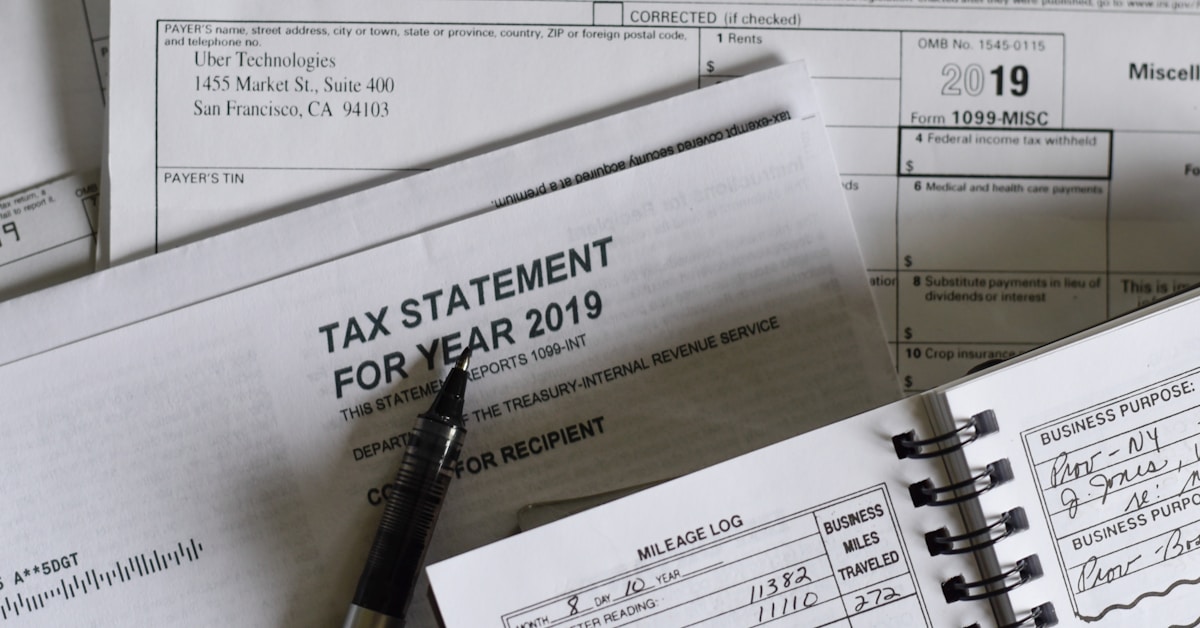
Struggling to keep your finances in check?
Managing your business’s money can feel overwhelming when every receipt, invoice, and bill adds to the confusion and stress.
There’s no room for mistakes when cash flow, taxes, and reports are on the line. You need clarity, control, and confidence.
A powerful accounting tool takes those daily headaches off your plate by helping you track expenses, send invoices fast, and always know where your money stands. This means less stress, fewer errors, and more time to focus on growing your business.
Features like intuitive dashboards, automation, and secure data storage transform the way you organize your accounts, saving you hours and giving you peace of mind.
In this article, you’ll discover the 10+ best accounting software options for small businesses and entrepreneurs so you can make a clear, informed choice.
Gain confidence in your numbers and streamline your workload today.
Let’s get started.
Conclusion
Looking to take control of your finances?
Choosing the right accounting software can feel daunting with so many options promising similar capabilities.
But finding a tool that offers fast setup, robust insights, and seamless integrations means less frustration and more clarity as your business grows.
Here’s our top recommendation.
Reven.co stands out as the top choice, with powerful automation and advanced reporting designed specifically for high-growth revenue teams.
While QuickBooks is ideal for small businesses and Xero excels with collaborative teams, reven.co truly leads the pack for anyone searching for the best accounting software that drives real results.
Ready to see how Reven.co can transform your accounting? Request a Demo of Reven.co today.
Gain clearer insights and save time managing your books.