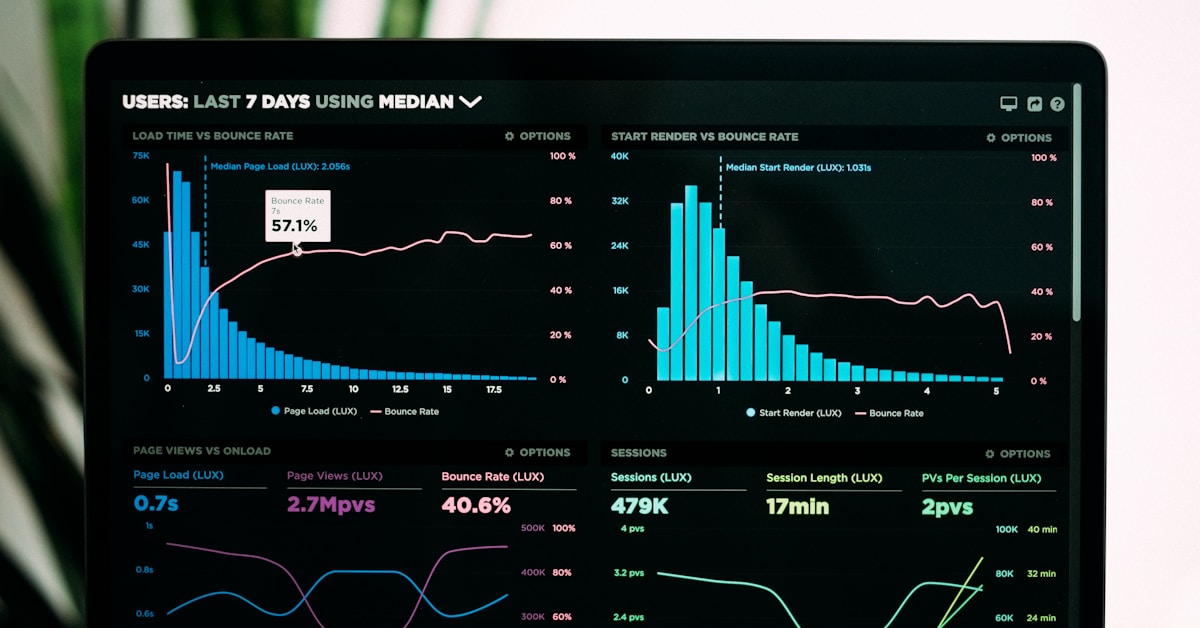
10+ Best Retail Accounting Software to Automate Your Books & Grow Sales

Struggling with messy books and missed sales? Discover the best retail accounting software to automate your bookkeeping, save time, stay tax-ready, and grow your business effortlessly. Find your perfect fit today!

Drowning in receipts and spreadsheets?

Trying to manage sales, inventory, and expenses by hand can leave your head spinning and your books in chaos. Every hour spent on paperwork is less time spent serving customers.

One small mistake can cost you serious money.

If you’re tired of missed sales insights, late tax filings, and daily number crunching eating up your time, you need a better way. The right retail accounting software can give you back your evenings, help you stay tax-ready, and let you finally focus on growth.

Automated expense tracking, streamlined invoicing, and accurate sales reports can transform how you run your store.

In this article, you’ll discover the 10+ best retail accounting software tools to help you automate your bookkeeping and boost your sales, so you can make smarter business decisions with ease.

Get ready to find the perfect fit for your business.

Let’s get started.

Quick Summary

Product Starting Price Best For
1. QuickBooks Online $38 per month Small to mid-sized retailers
2. Xero $25 per month Cloud-forward small businesses
3. Zoho Books FREE for small businesses Budget-conscious growing retailers
4. Sage Intacct Contact for pricing Mid-market retail enterprises
5. FreshBooks $21 per month Service-based boutique retailers
#1

QuickBooks Online

QuickBooks Online serves as a versatile retail accounting solution that connects your sales data from platforms like Shopify and Amazon directly into your general ledger. It simplifies the complexity of multi-channel selling by automating tax calculations and providing real-time visibility into your profitability across different product lines. For retail owners, this means less time on manual entry and more focus on growth strategy.

Your business gains access to advanced inventory management tools that track stock levels and notify you when items are running low. Beyond simple bookkeeping, it offers integrated payroll and automated expense categorization to keep your financial records audit-ready. If you need a scalable system that handles everything from basic receipts to complex inventory tracking, this is a top-tier choice.

✓ Pros

  • Extensive app ecosystem
  • Automated inventory tracking
  • Easy tax preparation
  • User-friendly mobile app

✗ Cons

  • Frequent price increases
  • Limited multi-entity support
  • Expensive payroll add-ons
  • Steep learning curve
Starting Price: $38 per month
Best For: Small to mid-sized retailers
#2

Xero

Xero provides a clean and intuitive cloud accounting environment tailored for modern retail businesses that prioritize mobility and ease of use. It allows you to invite unlimited users to collaborate on your financial data, making it an excellent choice if you work closely with an external bookkeeper or a large internal team. The platform excels at bank reconciliation, automatically matching your retail transactions with bank statements to ensure accuracy.

Smart integrations with POS systems and e-commerce storefronts allow your sales and inventory data to flow effortlessly into your accounts. You can monitor your cash flow in real-time through customizable dashboards that highlight your best-selling items and upcoming bills. By utilizing Hubdoc for automated receipt capture, you can effectively digitize your paper trail and stay organized during busy retail seasons.

✓ Pros

  • Unlimited user access
  • Excellent bank reconciliation
  • Strong mobile functionality
  • Clean user interface

✗ Cons

  • Strict monthly bill limits
  • No built-in payroll
  • Slow customer support
  • Limited advanced reporting
Starting Price: $25 per month
Best For: Cloud-forward small businesses
#3

Zoho Books

Zoho Books is an affordable yet feature-rich accounting platform that specifically caters to retailers needing tight control over their warehouse operations and stock movements. It integrates deeply with the broader Zoho ecosystem, allowing you to sync your financial data with CRM and inventory modules for a unified view of your retail operations. The software automates routine tasks like payment reminders and recurring invoices to save you time.

Retailers benefit from specialized tools like batch and serial number tracking, which are essential for managing high-value inventory or electronics. You can also provide your customers with a dedicated portal where they can view their transaction history and make payments online. If your retail business is growing and requires advanced warehouse management without the enterprise price tag, this platform offers exceptional value.

✓ Pros

  • Generous free plan
  • Robust inventory modules
  • Excellent automation rules
  • Affordable pricing tiers

✗ Cons

  • Limited third-party integrations
  • Steep learning curve
  • Restricted invoice limits
  • Basic payroll features
Starting Price: FREE for small businesses
Best For: Budget-conscious growing retailers
#4

Sage Intacct

Sage Intacct is a sophisticated cloud financial management system designed for retailers with complex multi-entity structures and high transaction volumes. It provides deep visibility into your operational performance through dimensional reporting, letting you analyze your profitability by store location, product line, or sales channel. This level of detail helps you make data-driven decisions that optimize your retail margins and cash flow.

Automation lies at the core of the experience, with powerful engines that handle revenue recognition and complex inter-company eliminations automatically. Your finance team can streamline the month-end close process with audit-ready financial statements that comply with GAAP standards. For established retail brands requiring enterprise-level security and high-performance financial controls, this platform serves as a reliable backbone for sustainable growth.

✓ Pros

  • Powerful multi-entity reporting
  • Advanced automation features
  • Highly customizable dashboards
  • Strong compliance tools

✗ Cons

  • Very high cost
  • Lengthy implementation process
  • Complex user interface
  • Requires specialized training
Starting Price: Contact for pricing
Best For: Mid-market retail enterprises
#5

FreshBooks

FreshBooks is an easy-to-use accounting solution that focuses on the needs of service-based retailers and boutique shops that primarily bill through invoices. It offers a straightforward approach to tracking your time and billable expenses, ensuring that no revenue falls through the cracks. The platform is designed to be approachable for non-accountants, featuring an interface that makes professional invoicing and expense logging quick and simple.

You can easily set up recurring billing for subscription-based retail models and accept online payments via credit card or ACH to get paid faster. While it is lighter on advanced inventory features than some competitors, it provides essential project profitability reports and automated late payment reminders. If you run a small retail operation where client relationships and professional presentation are your top priorities, you will find this software highly effective.

✓ Pros

  • Extremely easy interface
  • Professional invoice templates
  • Great mobile app
  • Strong time tracking

✗ Cons

  • Limited client counts
  • Weak inventory tools
  • Expensive for teams
  • Basic financial reporting
Starting Price: $21 per month
Best For: Service-based boutique retailers
#6

Oracle NetSuite

Oracle NetSuite stands as a premier ERP solution for retailers who need a single platform to manage their entire omnichannel business. It unifies your physical store sales, e-commerce transactions, and back-office accounting into one real-time database, eliminating the need for disconnected silos of information. This total visibility allows you to track inventory across multiple warehouses and storefronts with absolute precision.

The software features advanced AI-driven insights that help you forecast demand and optimize your pricing strategies for maximum profit. You can also manage global retail operations with ease, as it supports multi-currency transactions and complex international tax compliance. If your retail business has outgrown standard accounting software and requires a heavy-duty system to support rapid scaling, NetSuite provides the depth and flexibility required for enterprise success.

✓ Pros

  • Comprehensive ERP features
  • Unmatched scalability
  • Real-time omnichannel data
  • Global business support

✗ Cons

  • Prohibitively expensive pricing
  • Intense implementation phase
  • Steep learning curve
  • Variable support quality
Starting Price: Contact for pricing
Best For: Scaling enterprise retailers
#7

Acumatica

Acumatica is a modern cloud ERP that offers a unique consumption-based pricing model, making it an attractive choice for retailers with high seasonal sales spikes. Instead of paying per user, you pay based on the resources you use, allowing your entire team to access the system without increasing your costs. This encourages cross-departmental collaboration, from the warehouse floor to the accounting office.

Your retail operation will benefit from native integrations with popular e-commerce platforms and automated order fulfillment workflows that reduce shipping errors. The software also provides a specialized Retail-Commerce Edition that features real-time inventory updates and integrated point-of-sale capabilities. If you are looking for a flexible ERP that grows with your transaction volume while maintaining a predictable budget, this platform offers a future-proof solution for your business.

✓ Pros

  • Unlimited user licensing
  • Consumption-based pricing
  • Modern cloud architecture
  • Strong commerce features

✗ Cons

  • Complex initial setup
  • Resource-heavy implementation
  • Interface is technical
  • Third-party support only
Starting Price: Contact for pricing
Best For: Mid-sized multichannel retailers
#8

Epicor

Epicor provides industry-specific retail management software that combines advanced point-of-sale functionality with deep accounting and supply chain tools. It is particularly well-suited for hardware stores, automotive retailers, and general merchants who require specialized features like loyalty programs and gift card management. The platform is built to handle high-volume retail environments where speed and reliability at the checkout counter are critical.

You can leverage integrated inventory optimization tools to ensure you always have the right products in stock without overinvesting in capital. The software also offers detailed retail intelligence reports that help you understand customer buying patterns and track the success of your promotions. For retailers who need a rugged system that manages the front-of-house customer experience just as well as the back-office financials, this software is a proven choice.

✓ Pros

  • Deep industry specialization
  • Integrated POS system
  • Strong inventory optimization
  • Reliable offline mode

✗ Cons

  • Dated user interface
  • High upfront costs
  • Complicated custom reporting
  • Slower software updates
Starting Price: Contact for pricing
Best For: Hard-goods retail businesses
#9

Brightpearl

Brightpearl is a dedicated retail operating system that puts automated order management and multi-channel synchronization at the heart of your accounting. It is designed for merchants who have grown too large for basic tools but aren't ready for the complexity of a traditional ERP. The platform ensures your financial data is always accurate by automatically recording every sale, refund, and shipping cost in real-time.

You can streamline your back-office operations with an automation engine that handles everything from inventory allocation to vendor purchase orders. The software also provides high-level reporting on your sales channel performance and customer lifetime value to guide your marketing efforts. If your priority is a retail-first platform that eliminates manual data entry between your sales channels and your books, you will find this an indispensable tool for growth.

✓ Pros

  • Retail-specific automation
  • Fast multi-channel sync
  • Built-in inventory planning
  • Excellent onboarding support

✗ Cons

  • Higher entry price
  • Focused only on retail
  • Lacks full ERP flexibility
  • Limited built-in CRM
Starting Price: Contact for pricing
Best For: High-volume multichannel merchants
#10

Wave offers a free and accessible accounting platform that is ideal for micro-retailers and new entrepreneurs who need professional bookkeeping without a monthly fee. It provides all the essential tools for tracking income, managing expenses, and sending unlimited invoices to your customers. The software is remarkably simple to set up, making it a great choice if you are just starting your retail journey.

While the core accounting features are free, you can add paid services for payroll and payment processing as your business begins to scale. The mobile app allows you to capture receipts on the go and monitor your cash flow from anywhere, ensuring you stay on top of your finances during busy market days. If you are a solo retail operator looking for a cost-effective way to maintain clean books and professional records, this platform is your best starting point.

✓ Pros

  • Totally free accounting
  • Unlimited invoicing feature
  • Very easy setup
  • Clean mobile experience

✗ Cons

  • No inventory tracking
  • Limited customer support
  • Basic reporting options
  • Paid receipt scanning
Starting Price: FREE core accounting
Best For: Solopreneurs and micro-retailers

Conclusion

Frustrated by manual bookkeeping headaches?

Choosing the right retail accounting software is key to streamlining your operations and ensuring financial accuracy, but the options can feel overwhelming.

That’s why it’s vital to pick a solution that adapts to your unique retail needs while offering the automation, sales insights, and scalability you require.

Here’s our top pick for retailers.

QuickBooks stands out for small to mid-sized retailers by simplifying your finances, saving you time, and helping drive informed decisions—all with a user-friendly interface.

Xero offers impressive cloud capabilities for small businesses, while Zoho shines for budget-conscious retailers, but QuickBooks remains the best retail accounting software for combining simplicity, robust features, and ease of use.

Start your 30-day FREE QuickBooks trial today and watch your books run themselves.

Gain complete financial clarity and more time to focus on growth.
Related Articles

×

Please claim profile in order to edit product details and view analytics. Provide your work email @productdomain to receive a verification link.

Error